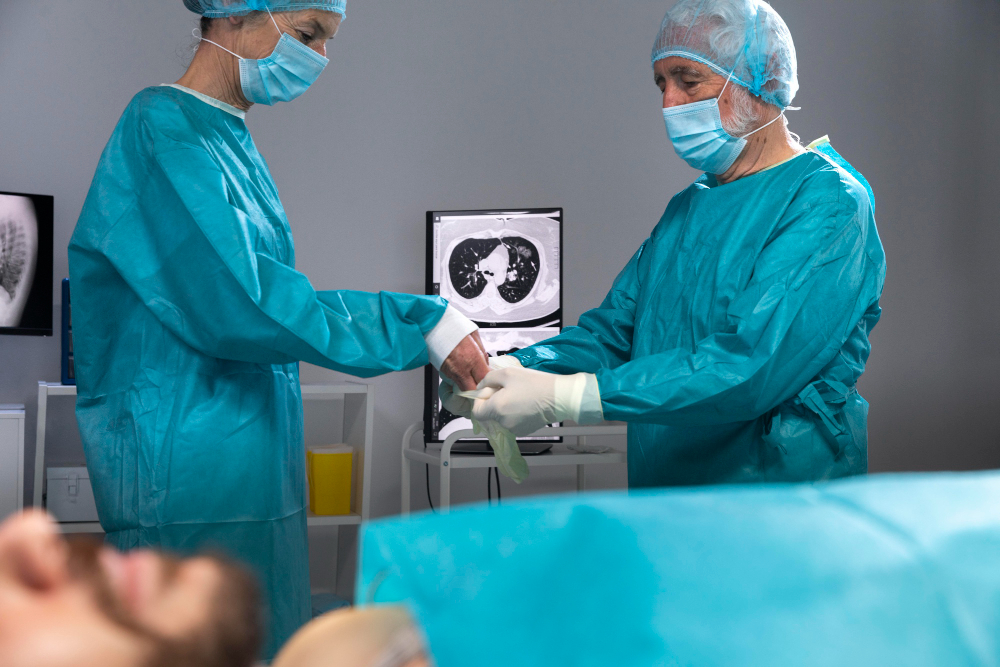
What is TPVR?
TPVR stands for Transcatheter Pulmonary Valve Replacement. It is a minimally invasive heart procedure. Doctors use TPVR to replace a damaged pulmonary valve without open-heart surgery. Instead, they use a thin tube called a catheter. This tube carries the new valve to your heart through a blood vessel. Because TPVR is less invasive, recovery is often faster than with traditional surgery. Many people with heart valve problems benefit from this treatment.
Symptoms and Conditions Indicating the Need for TPVR
Sometimes, the pulmonary valve in the heart does not work well. This can lead to symptoms such as:
Often, these symptoms appear in people who had previous heart surgery as children. For example, those with congenital heart defects may need TPVR later in life. If you notice these signs, you should talk to your doctor.
Causes and Risk Factors Leading to TPVR
Many people need TPVR because of problems with the pulmonary valve. Some common causes include:
Additionally, risk factors can include aging, infections, or damage from earlier treatments. Sometimes, the valve wears out over time. As a result, the heart cannot pump blood well to the lungs.
Diagnosis: How Doctors Determine the Need for TPVR
First, doctors listen to your symptoms and medical history. Next, they use tests to check your heart. Common tests include:
These tests help doctors see how well your pulmonary valve works. If the valve is not working, TPVR may be the best option. Your doctor will explain the results and discuss treatment choices.
The TPVR Procedure: Step-by-Step Explanation
TPVR is a minimally invasive heart procedure. Here is how it usually happens:
Because TPVR does not need large cuts, most people recover faster. The whole procedure usually takes a few hours.
Recovery and Aftercare Following TPVR
After TPVR, you will stay in the hospital for a short time. Doctors will watch your heart and make sure the new valve works well. Most people go home within a few days. During recovery, you may need to:
Usually, you can return to normal activities within a few weeks. However, always follow your doctor’s advice for the best results.
Benefits and Potential Risks of TPVR
TPVR offers many benefits, especially compared to open-heart surgery. For example:
However, every procedure has some risks. Possible risks of TPVR include:
Still, most people have good results. Your doctor will discuss the risks and benefits with you before the procedure.
Lifestyle Guidance and Prevention Tips Post-TPVR
After TPVR, it is important to care for your heart. Here are some tips:
With proper care, you can enjoy a healthy life after TPVR. Regular check-ups help your doctor spot any problems early.
Conclusion
In summary, TPVR is a safe and effective heart valve treatment for many people. It offers a less invasive way to fix heart valve problems. If you have symptoms or concerns about your heart, do not wait. Consult a cardiologist for personalized advice about TPVR or heart valve conditions.